Close this alert
Xfadsk2016x64 Updated ★ Bonus Inside
The update was carried on a single HTTP response from a vendor's mirror: a 12-megabyte bundle compressed and signed with an expired key. For most deployment managers it would have been tossed, but for Mira Zhang—head of build integrity at Vantage Studios—it was a curiosity she couldn’t ignore. Vantage still supported a fleet of legacy workstations for long-term clients whose archives refused to translate cleanly into modern formats. Mira had been awake late, chasing a strange bug in an old yacht model when the CI server flagged the incoming package. She pulled the bundle into a sandbox.
At Vantage, the update became a tool and a concern. Clients cheered at recovered deliverables, but privacy questions surfaced. Models sometimes contained embedded personal details—addresses, hand-written notes scanned into reference layers, the name of a vanished supplier. One client found the first drafts of a logo they had abandoned after a bitter split with a partner. The recovered files reopened old disputes. Vantage’s legal team drafted a cautionary policy: we can assist with art recovery, but restored content may contain legacy data. xfadsk2016x64 updated
One rainy Tuesday, Mira received an untraceable package at the studio's front desk: a small, hand-bound notebook with blank pages and a single line on the inside cover in a familiar, looping hand: "Remember well." No signature. She turned the first page and found a sketch—an ordinary doorway rendered with care—and in the margin a tiny list: "Tomas Reyes — 1980–2004 — kept things alive." The update was carried on a single HTTP
Other Books in Series
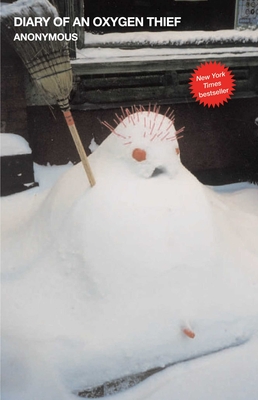
Diary of an Oxygen Thief (The Oxygen Thief Diaries #1)
Paperback
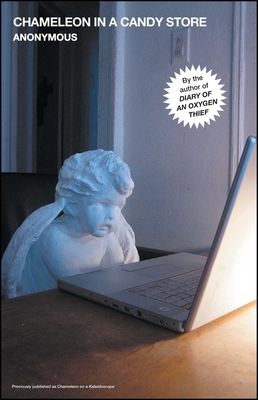
Chameleon in a Candy Store (The Oxygen Thief Diaries #2)
Paperback