Знакомьтесь с теми, кто рядом
Хотите познакомиться с кем-то поблизости? Воспользуйтесь нашим поиском, чтобы найти людей в своем городе. Performance itself is a study in contrasts





Неважно, ищете ли вы серьезные отношения, легкое общение или захватывающее эмоциональное путешествие, вы найдете это здесь.
Хотите познакомиться с кем-то поблизости? Воспользуйтесь нашим поиском, чтобы найти людей в своем городе. Performance itself is a study in contrasts
Откройте для себя наиболее подходящих людей в нашем эксклюзивном, ежедневно обновляемом списке. If you need a quick network fix or
Не знаете, как начать диалог? Воспользуйтесь нашими вопросами для знакомства. plug‑and‑play package. Yet on Windows 11
Попробуйте функцию «Умные сообщения», чтобы избежать неловких пауз и легко поддерживать любой диалог.
Знакомьтесь с новыми людьми, где бы вы ни находились, благодаря нашему глобальному поиску.

Мы делаем все возможное, чтобы сделать ваши знакомства безопасными, надежными и приятными.
Мы используем ИИ-систему, чтобы защитить вас от мошенничества.
Мы всегда готовы помочь вам с любым вопросом.
Мы проверяем профили по фото, чтобы вы были уверены в каждом знакомстве.
Здесь вы найдете все наши советы для безопасных знакомств.
Первый шаг к безопасным знакомствам.

С 2013 года мы собираем истории, отзывы и идеи пользователей по всему миру, чтобы делать продукт, который все более адаптируется под вас.
65M пользователей
По всему миру
25 стран
В которых мы знакомим людей
12 лет
В индустрии онлайн-знакомств
ТОП-3 приложение
В 10+ странах
Performance itself is a study in contrasts. On paper, 802.11ac and the 8811CU support useful link rates; in practice, performance hinges on driver maturity. The best drivers unlock higher throughput and stable 5 GHz operation; lesser ones produce micro‑stutters, increased latency, or poor range due to suboptimal antenna handling and power‑saving defaults. The adapter’s physical design compounds this: tiny antennas and crowded USB port placements reduce real‑world throughput compared with integrated laptop radios or larger, external‑antenna adapters.
Where does this leave the average user? Pragmatism. If you need a quick network fix or a travel solution, a Realtek 8811CU adapter can be a sensible, cost‑effective choice—provided you accept a few caveats: be prepared to hunt for an up‑to‑date, Windows 11‑signed driver from a reliable source; test both 2.4 GHz and 5 GHz bands for real‑world performance; and, if stability matters, consider investing in a well‑supported adapter from a vendor with a track record of timely drivers and clear support channels.
There’s an environmental and consumer‑rights angle too. Cheap Wi‑Fi dongles with ephemeral driver support encourage e‑waste: a functioning radio becomes unusable when the drivers lag OS upgrades. Users who invested in a dongle last year may find it obsolete not because of hardware failure but because of software neglect. This disconnect between hardware lifespan and software stewardship betrays a wider problem in consumer electronics: short product lifecycles masked by ostensibly durable physical designs.
Ultimately, the 8811CU on Windows 11 is emblematic of a broader truth about modern computing: hardware and software are inseparable partners, and the user experience depends as much on driver stewardship as on silicon. The tiny dongle itself is an engineering convenience; its real value is realized only when the software that drives it is treated with equal seriousness. Until vendors and platforms align on sustainable driver support, many users will continue to experience the same small frustrations that turn an otherwise promising technology into an editorially familiar tale—good intentions hamstrung by avoidable software neglect.
In the era of ubiquitous connectivity, a humble USB Wi‑Fi adapter can mean the difference between seamless productivity and the quiet frustration of dropped packets. The Realtek 8811CU chipset—commonly branded across budget USB network adapters—promises modern 802.11ac speeds in a tiny, plug‑and‑play package. Yet on Windows 11, that promise often collides with the brittle realities of driver support, compatibility quirks, and the subtle bureaucracy of modern OS updates.


Performance itself is a study in contrasts. On paper, 802.11ac and the 8811CU support useful link rates; in practice, performance hinges on driver maturity. The best drivers unlock higher throughput and stable 5 GHz operation; lesser ones produce micro‑stutters, increased latency, or poor range due to suboptimal antenna handling and power‑saving defaults. The adapter’s physical design compounds this: tiny antennas and crowded USB port placements reduce real‑world throughput compared with integrated laptop radios or larger, external‑antenna adapters.
Where does this leave the average user? Pragmatism. If you need a quick network fix or a travel solution, a Realtek 8811CU adapter can be a sensible, cost‑effective choice—provided you accept a few caveats: be prepared to hunt for an up‑to‑date, Windows 11‑signed driver from a reliable source; test both 2.4 GHz and 5 GHz bands for real‑world performance; and, if stability matters, consider investing in a well‑supported adapter from a vendor with a track record of timely drivers and clear support channels.
There’s an environmental and consumer‑rights angle too. Cheap Wi‑Fi dongles with ephemeral driver support encourage e‑waste: a functioning radio becomes unusable when the drivers lag OS upgrades. Users who invested in a dongle last year may find it obsolete not because of hardware failure but because of software neglect. This disconnect between hardware lifespan and software stewardship betrays a wider problem in consumer electronics: short product lifecycles masked by ostensibly durable physical designs.
Ultimately, the 8811CU on Windows 11 is emblematic of a broader truth about modern computing: hardware and software are inseparable partners, and the user experience depends as much on driver stewardship as on silicon. The tiny dongle itself is an engineering convenience; its real value is realized only when the software that drives it is treated with equal seriousness. Until vendors and platforms align on sustainable driver support, many users will continue to experience the same small frustrations that turn an otherwise promising technology into an editorially familiar tale—good intentions hamstrung by avoidable software neglect.
In the era of ubiquitous connectivity, a humble USB Wi‑Fi adapter can mean the difference between seamless productivity and the quiet frustration of dropped packets. The Realtek 8811CU chipset—commonly branded across budget USB network adapters—promises modern 802.11ac speeds in a tiny, plug‑and‑play package. Yet on Windows 11, that promise often collides with the brittle realities of driver support, compatibility quirks, and the subtle bureaucracy of modern OS updates.


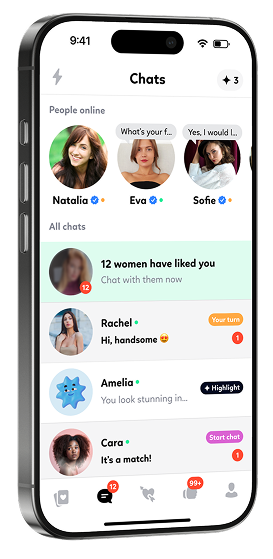
Наше приложение легко впишет знакомства в вашу повседневную жизнь — общайтесь в любое время, в любом месте и так, как вам нравится.