Literature

Ezaz Opa Sec -

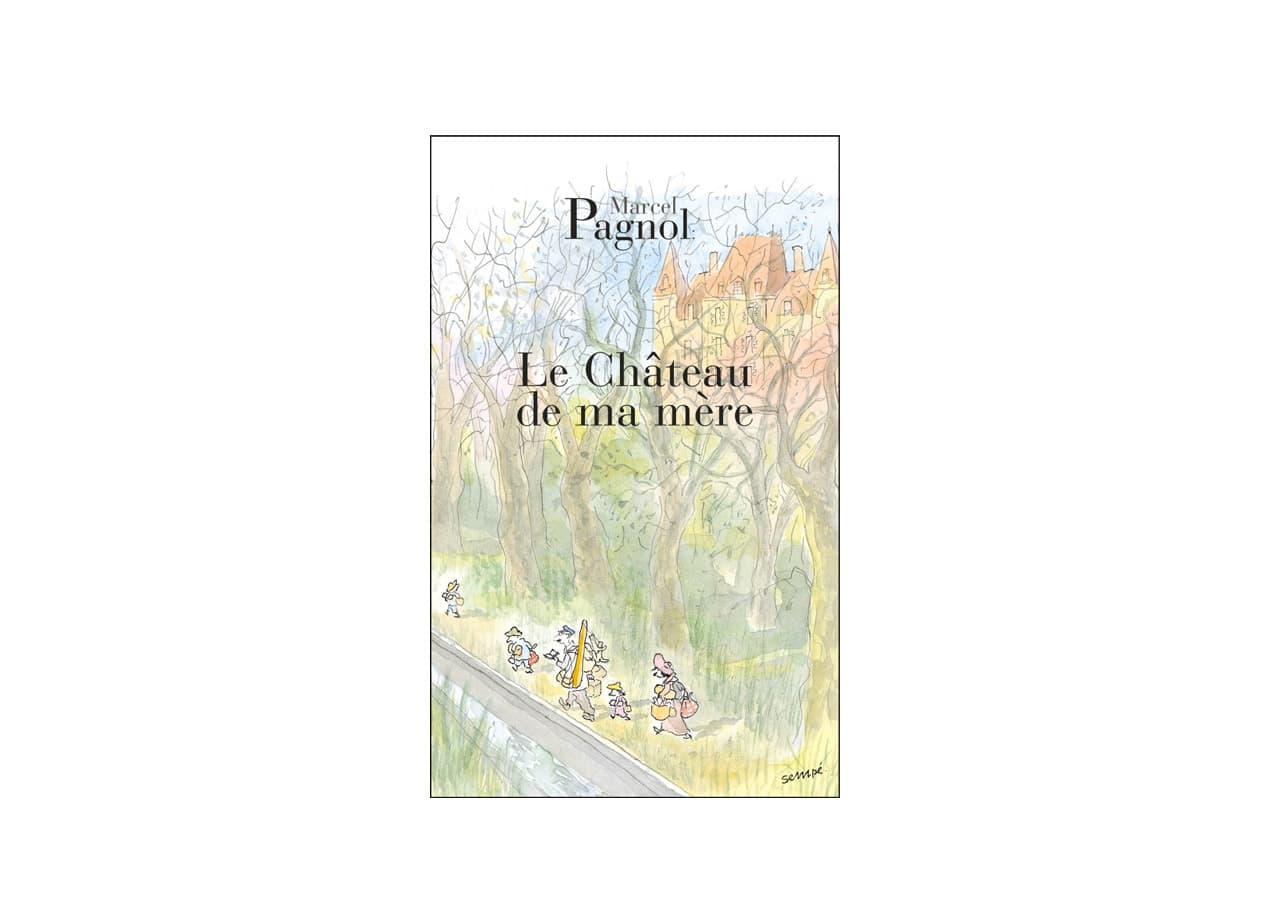
The most beautiful book on child friendship: one morning while hunting in the hills, Marcel meets the little peasant, Lili des Bellons. His vacations and his whole life will be illuminated by it.

The most beautiful book about childhood friendship.

Summary

One year after La Gloire de mon père (My Father’s Glory), Marcel Pagnol thought he would conclude his childhood memories with this Château de ma mère (1958), the second part of what he considered as a diptych, ending with the famous scene of the ferocious guardian frightening the timid Augustine. Little Marcel, after the family tenderness, discovered friendship with the wonderful Lili, undoubtedly the most endearing of his characters. The book closes with a melancholic epilogue, a poignant elegy to the time that has passed. In it, Pagnol strikes a chord of gravity to which he has rarely accustomed his readers.

Hey friend! “
I saw a boy about my age looking at me sternly. You shouldn’t touch other people’s traps,” he said. “A trap is sacred!
” 

– “I wasn’t going to take it,” I said. “I wanted to see the bird.” 

He approached: “it was a small peasant. He was, brown, with a fine Provencal face, black eyes and long girlish lashes.”

Buy online

You will also like:

Ezaz Opa Sec -

"Ezaz Opa Sec" arrives like a whisper at first — a phrase that feels personal, cryptic, and evocative. Whether it's a name, a handle, a title, or a motif, those three words invite curiosity: who or what sits behind them, and why does it matter? This editorial treats "Ezaz Opa Sec" as a focal point for exploring identity, voice, and the modern collision of privacy, performance, and purpose.

Why it’s compelling now In an era obsessed with branding and identity curation, a compact, enigmatic label like this does two useful things: it resists easy pigeonholing, and it invites narrative projection. People are hungry for stories that can be inhabited; a name that suggests both warmth and guardedness becomes a vessel for multiple narratives — a digital persona, a musician’s alias, a startup’s codename, a privacy-focused project, or an artist’s manifesto. ezaz opa sec
"Ezaz Opa Sec" arrives like a whisper at first — a phrase that feels personal, cryptic, and evocative. Whether it's a name, a handle, a title, or a motif, those three words invite curiosity: who or what sits behind them, and why does it matter? This editorial treats "Ezaz Opa Sec" as a focal point for exploring identity, voice, and the modern collision of privacy, performance, and purpose.

Why it’s compelling now In an era obsessed with branding and identity curation, a compact, enigmatic label like this does two useful things: it resists easy pigeonholing, and it invites narrative projection. People are hungry for stories that can be inhabited; a name that suggests both warmth and guardedness becomes a vessel for multiple narratives — a digital persona, a musician’s alias, a startup’s codename, a privacy-focused project, or an artist’s manifesto.